Service
Decal Removal in New Jersey
Old lettering, wraps and decals removed cleanly at your yard, driveway or job site, with the leftover adhesive cleaned off so the paint is ready for what comes next.
Lombardo Lettering removes old vehicle lettering, wraps, fleet numbers and window decals at your yard, driveway or job site in eight New Jersey counties. The usual approach is to warm the film, peel it slowly and clean off the adhesive left behind. How easily it releases depends on the film, its age, the paint underneath and the temperature.
Why trucks and vans need old graphics removed
Decal removal is the work of taking adhesive vinyl off a vehicle, window or sign without damaging what is underneath, then cleaning off the adhesive that stays behind. On a work vehicle it usually comes up at a change of ownership or identity, and each situation has a different goal.
- Lease returns. The Federal Reserve’s consumer guidance on leasing notes that most leases limit wear and that you will likely pay extra charges for wear beyond those limits when you return the vehicle, with dented or damaged body panels and poor-quality repairs given as examples. Excess wear is measured against the standards in your own lease agreement, so read that section before deciding how the graphics come off.
- Resale. A buyer will not want your company name, phone number and USDOT number on a truck they are paying for, and adhesive streaks left on the panels do not help the sale either.
- Rebrands. A new name, logo or phone number means the old artwork has to come off before the new design can go on. Removal and new truck lettering or a vehicle wrap can be planned as one job.
- Used trucks. A truck bought from another company arrives wearing that company’s identity. The old name and numbers come off, and the new owner’s legal identification goes on. Our NJ vehicle lettering law page covers what a commercial vehicle has to display.
- Damaged or dated graphics. Cracked, faded or partly peeled lettering is often easier to strip and replace than to patch.
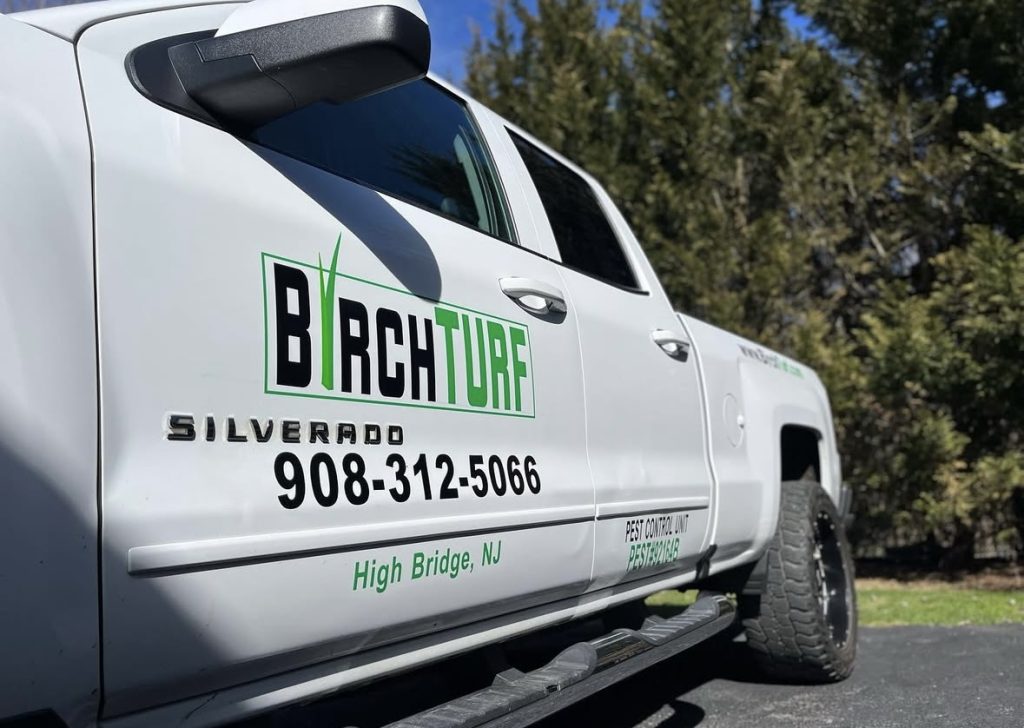
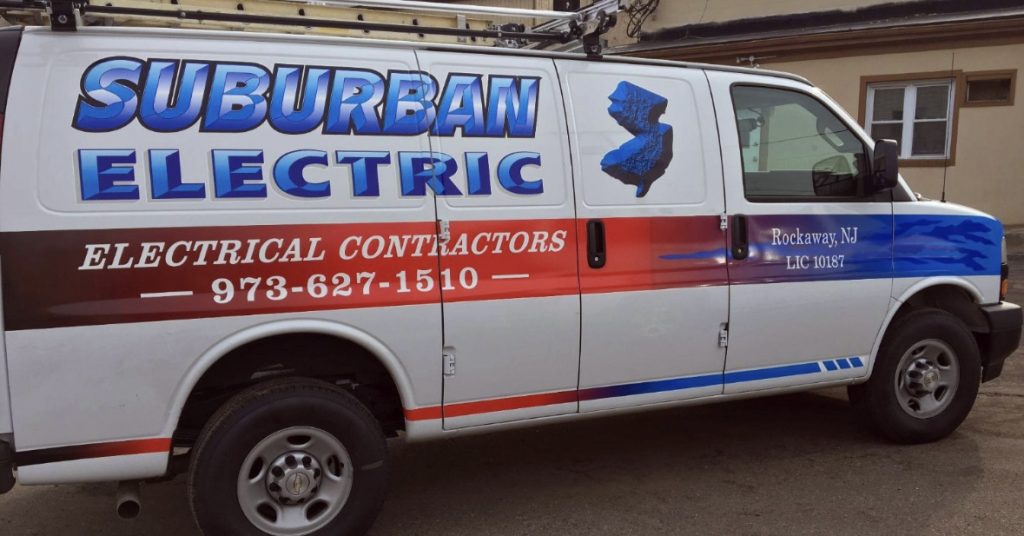
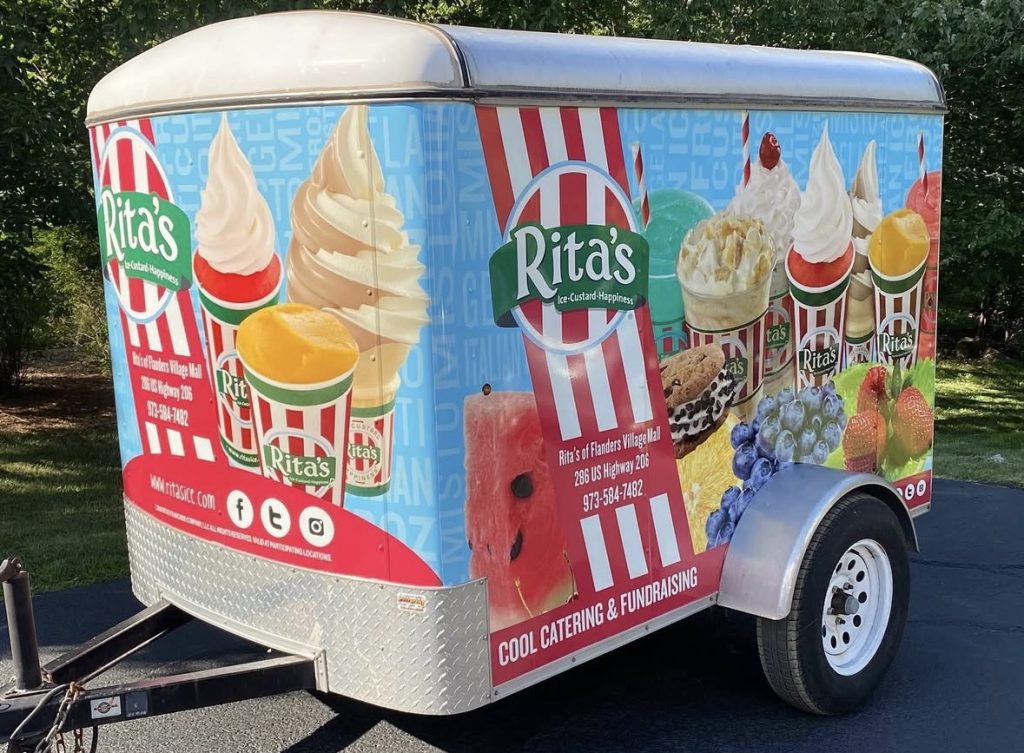
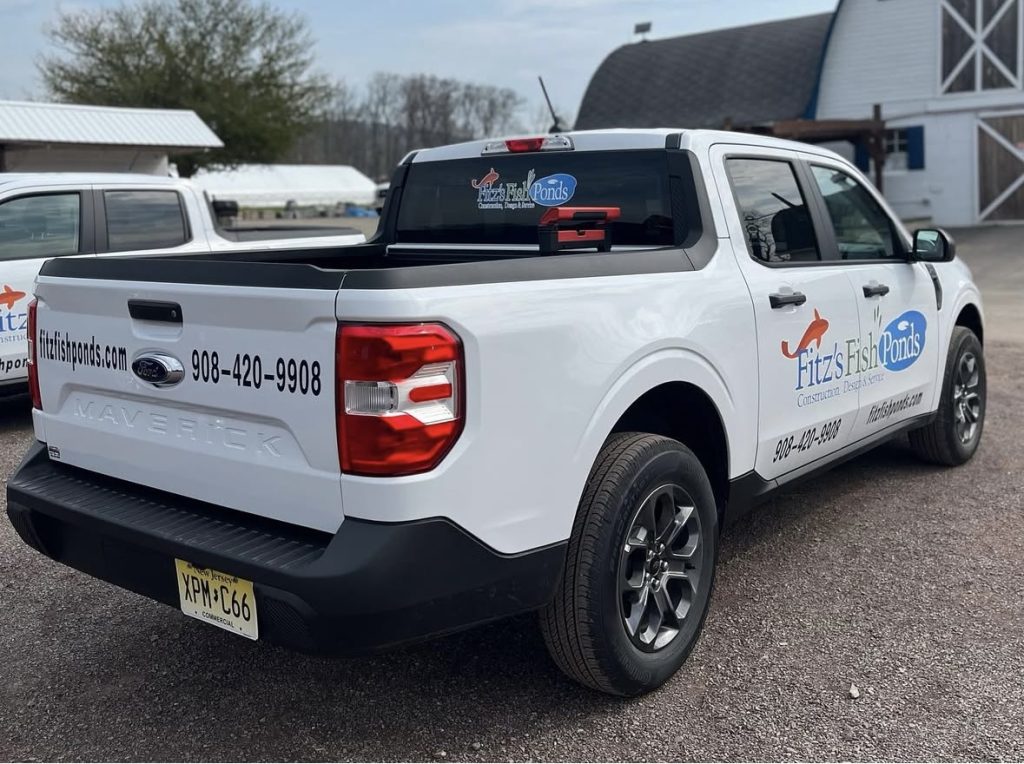
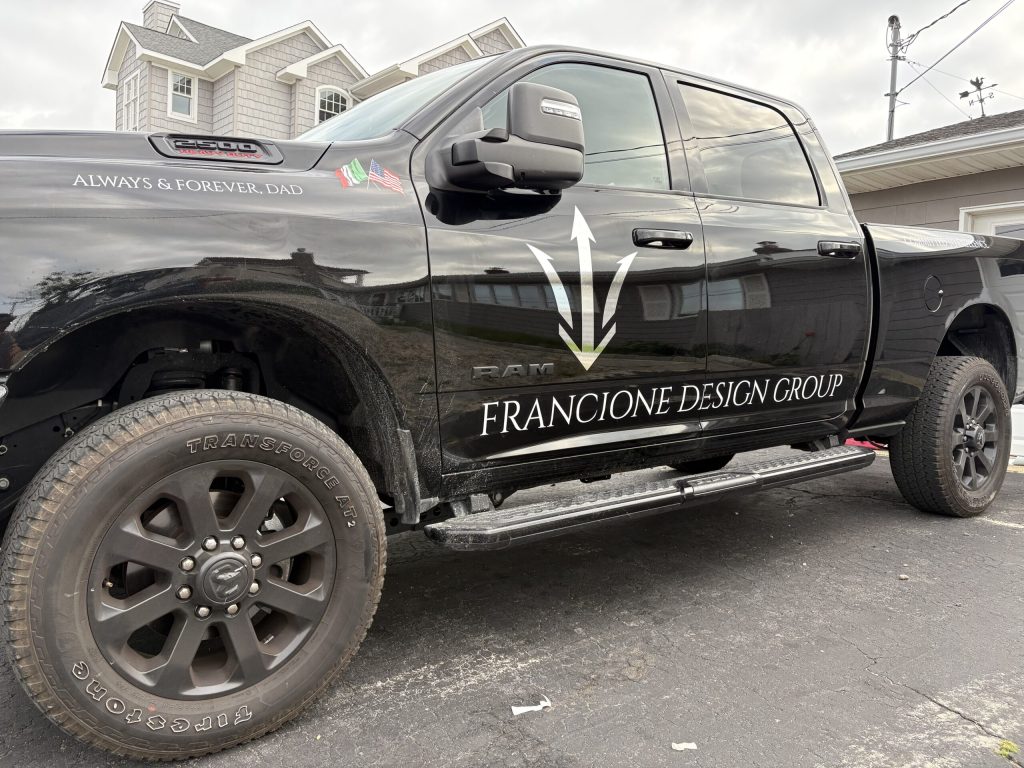
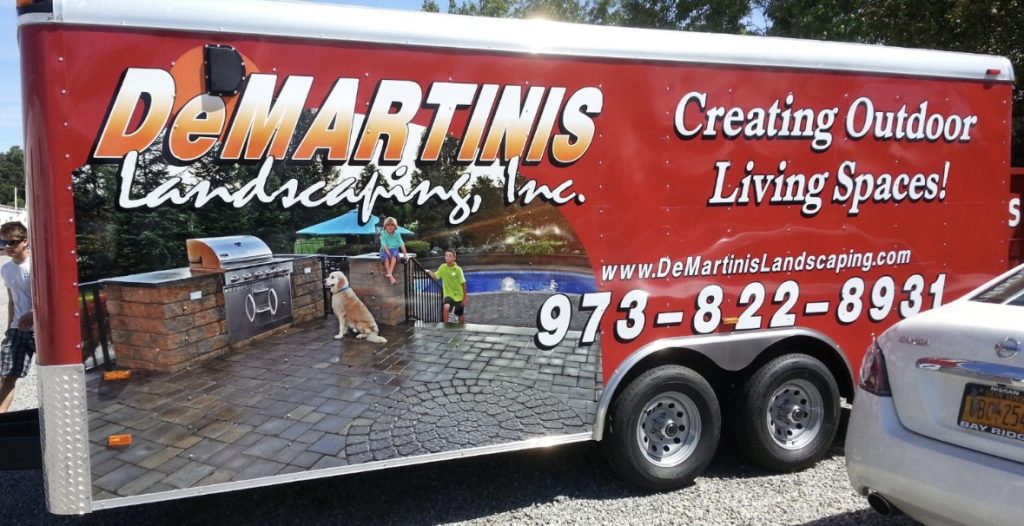
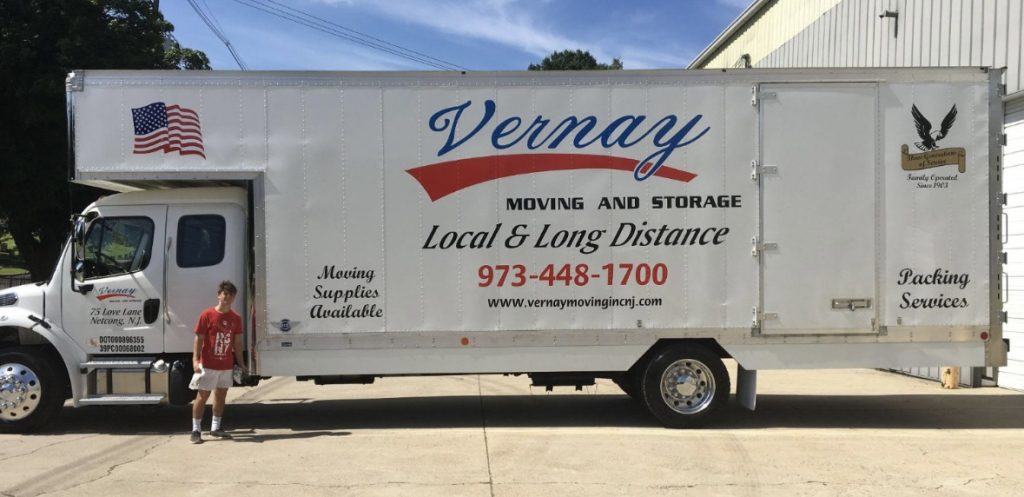
Recent decal removal work across New Jersey
The nine factors that decide how hard a decal removal will be
3M’s Instruction Bulletin 6.5 on storage, handling, maintenance and removal of films (March 2020) lists nine primary factors that affect how easily a graphic comes off: the properties of the film, the type of substrate and surface, temperature, the condition of the substrate when the graphic was applied, the type and amount of ink, the type of overlaminate or clear, the age of the graphic, outdoor exposure to heat and UV, and whether the film is cut, torn or damaged. 3M tells installers to assess each one before estimating time, labor and cost.
Avery Dennison makes the same point in its Technical Bulletin 1.07 on removing pressure-sensitive adhesive films: removability is not a property of the adhesive alone, but a combination of face film, adhesive, substrate and exposure conditions. That is why two trucks of the same model can come clean very differently, and why it helps to have clear photos of the old graphics, close-ups of any cracked or peeling areas, and anything you know about who installed them and when.
What the film was designed to do
3M sorts its films into four adhesive removal categories. Ultra-removable films come off without heat or chemicals and leave no adhesive residue. Removable-with-heat films are expected to leave little to no residue, though in some conditions up to 10%. Films removable with heat and/or chemicals may leave more than 30% residue. Films not intended for removal can sometimes be taken off, but with great difficulty and likely damage to the substrate. 3M even sells a print wrap film, IJ180mC-10UR, whose adhesive it says removes cleanly without heat or chemicals, positioned as a shorter-term option.
Age, sun and overlaminate
According to 3M, older graphics become brittle and their adhesion to the substrate increases over time. Long exposure to heat and UV light changes the film’s tensile strength, so it tears and breaks easily and removal becomes very slow and tedious. 3M’s own example: of two identical graphics, the one that got more UV exposure over the same period may be harder to remove, so the side of a truck that has faced the sun for years can behave differently from the shaded side. 3M also notes that thicker removable films and films with an overlaminate are the easiest to remove, because they will not break and tear under most conditions.
The paint the graphic went onto
3M says slightly oxidized (not chalked) paint develops much higher adhesion than new paint, and graphics applied before fresh paint had time to cure make removal difficult and may damage the substrate. When removal looks likely to cause damage, 3M recommends that the installer discuss it with the vehicle owner first, so ask about any panels you are unsure of before work starts.
How heat, pull angle and patience take vinyl off a panel
Warming the film softens the adhesive and makes the vinyl stretch instead of snapping. The manufacturers publish their own numbers, and they are not identical, because they are tuned to different films.
3M recommends a heat source that can raise the graphic to 72 to 93°C (about 160 to 200°F) for most situations. It lists the sun, heat lamps, hot water, industrial heat guns, steamers, hand torches and weed burners as sources, and warns that higher-BTU sources heat larger areas faster but are less safe, may oxidize or burn the surrounding paint, and may emphasize any shadow left where the graphic was. Avery’s heat method is to hold the heat gun about 15 to 30 cm (6 to 12 in) away, heat the whole decal for about 30 to 60 seconds, pull slowly at less than 90°, and stop to reheat if the film gets hard to pull. Arlon’s wrap removal tip, written for its own films, goes lower: about 125°F (50°C), above which its vinyl may delaminate and leave the adhesive behind.
The pull matters as much as the heat. 3M says the right pull-off angle depends on the film, that both the angle and the speed of the pull affect how much adhesive stays behind, and that the installer should experiment with the angle until the removal comes clean. For heat-aided removal it suggests scoring the graphic into strips about 30 to 38 cm (roughly 12 to 15 in) wide. Avery’s cold-pull method keeps the angle under 45° to reduce adhesive transfer, and Arlon recommends about 15° and never more than 90° from the vehicle, pulled slowly. ORAFOL, by contrast, describes peeling its films slowly at 180°. The common thread is to match the method to the film and not to rush it.
Scrapers and grinders are a last resort. 3M says most mechanical techniques, such as scrapers, abrasive wheels and particle blasting, damage the substrate, and suggests considering them when the panel will be repainted anyway. It describes its Stripe Off Wheel as not scratching or damaging acrylic enamel or urethane paint and as working best on stripes, small letters or the edges of larger graphics, with optimum performance at about 2,000 RPM.
Cleaning adhesive residue off paint and glass
Even a careful removal can leave adhesive behind, and 3M’s residue procedure assumes it will. Its last steps are a solvent wipe, a detergent-and-water wash and, if a new graphic is going on, thorough drying with a clean, lint-free towel, so the panel is clean before new lettering is applied.
3M’s procedure is to read the remover’s instructions and safety data sheet, wear rubber gloves and safety goggles, and test the product on an inconspicuous area first. The remover is applied and given time to penetrate, the softened adhesive is scraped with a plastic applicator or rivet brush, and the loosened glue is picked up with a cloth saturated with remover. 3M lists its General Purpose Adhesive Cleaner (08984) and Woodgrain and Stripe Adhesive Remover (08908) among suitable products. Arlon says small traces of adhesive can be cleaned with isopropyl alcohol, while larger remnants get a degreaser or adhesive remover left on for 45 seconds to a minute. ORAFOL says residue from its films can be removed with a silicone-free, citrus-based industrial cleaner.
Avery tells installers to always test a small area before starting so the substrate is not harmed, and 3M warns that some chemicals may damage the substrate or its finish. Testing matters most on repainted panels, plastic trim and painted logos.
Ghosting: the outline old decals can leave on the paint
Sometimes the paint where a decal used to be looks different from the paint around it once the vinyl is off, leaving a visible outline of the old lettering. Installers call it ghosting or shadowing. The manufacturers treat it as a change in the paint itself, not as leftover adhesive, which means an adhesive remover is not the fix for it.
The manufacturers are direct about this. ORAFOL’s vehicle film guidelines exclude paint detachment during removal and changes to the paintwork, naming “ghost images” as an example, from its warranty. 3M’s pre-installation inspection record says 3M does not warrant vehicle paint staining that may be visible after removing an inkjet-printed graphic with an overlaminate, and advises removing graphics by the end of the warranty period to reduce that risk. 3M’s removal bulletin adds that high-heat sources may emphasize any shadow that remains.
If the truck is headed back to a leasing company or onto the resale market, plan for the possibility of an outline and check what your lease’s wear standards say before hand-back. A body or detail shop can tell you whether the paint can be corrected.
Why Lombardo
Decal removal, done at your yard
We bring the shop to you, so your vehicle keeps working while we do the job. Call Frank for a straight answer, or send a photo and we will reply with a price.
- Mobile — we come to your yard or job site
- Glueless removal that keeps paint and resale value intact
- A straight price quoted from a photo
Removing decals in cold New Jersey weather
Temperature is the factor that changes most from week to week, and cold days work against removal. 3M says film turns brittle in cold weather and breaks into small pieces as it comes off. It recommends removing film above 10°C (50°F), says higher temperatures generally give better results, and notes that letting a graphic sit in the sun heats it evenly for a quicker removal. Avery says that below 10°C a cold pull can tear the decal or leave excessive residue, and recommends its heat method in that case. ORAFOL sets a higher bar for its vehicle films: a substrate and ambient temperature of at least 20°C (68°F).
Because Lombardo works at your location, the conditions on the day are the conditions in your yard. If you have flexibility, a mild, sunny day or an indoor bay such as a heated garage or municipal shop gives the film its best chance of coming off in sheets rather than chips. A lease return due in midwinter is a good reason to plan removal earlier.
Removing vinyl from windows, glass and sign faces
Glass has its own rules. 3M says heat is not needed on glass that is warmer than 16°C (about 61°F), while acrylic or polycarbonate windows should only be heated to 21 to 38°C (about 70 to 100°F). For decorative films on glass, 3M says not to use heat sources or chemicals at all and gives a detergent-and-water soak method instead, peeling at a low angle afterward.
Storefront vinyl and window lettering, door hours and sign faces come off with the same principles: warm or soak the film, peel slowly, and clean the adhesive with a product tested on that surface first. When the old vinyl is off, the same panel can take new copy, or the whole face can be replaced as part of a custom sign.
Removing decals and wraps another shop installed
Much removal work involves graphics someone else put on, with no record of the film brand, whether it was cast or calendered, or what condition the paint was in. That is where the risk sits. Arlon warns that areas that were repainted, primed and left unpainted, or left bare without body filler are likely to be damaged when the graphic is removed. 3M’s pre-installation inspection record has installers circle areas where removal may damage the vehicle paint, including loose paint, dents, fillers, rust and blistered paint. ORAFOL says its vehicle films are designed not to lift or damage paint that was applied properly and is fully cured, and should only be applied to paint that meets OEM specifications and is free of damage such as rust, scratches, stone chips or age-related embrittlement. ORAFOL also says application and removal should be done only by trained, experienced installers, because improper removal may damage the paintwork.
When new graphics go back on, Lombardo uses premium Avery, 3M or Orafol cast film rather than cheap calendered vinyl. Avery, for example, describes its MPI 1105 cast wrapping film as having a permanent adhesive with long-term removability properties and lists clean long-term removability after years of use among its features. Choosing film made to come off cleanly makes the next removal simpler for whoever owns the truck then. And if a full wrap is more than you need, Lombardo will not push one when lettering would do.
Planning decal removal around a lease return, sale or rebrand
Start with the reason for the removal, because it sets the finish you need. A lease return needs the cleanest possible panels checked against your lease’s wear standards. A resale needs the old identity gone. A rebrand needs the panels ready for new artwork. A fleet that cycles leased units on a schedule can build removal into its fleet lettering program so each truck is handled the same way.
Call Frank at 973-214-2292, email franksignguy@yahoo.com, or use the quote form. Photos of each side, close-ups of the oldest or most damaged graphics, and the year and model of the vehicle help describe the job. If new lettering is going on, the new design is laid out on a template of your actual vehicle and you approve the proof before anything is cut. Lombardo serves Morris, Essex, Warren, Union, Bergen, Somerset, Sussex and Hunterdon counties; see the service areas page, or the Morris County page for the area around the shop at 95 W Main St in Chester. Shop visits are by appointment.
Our work, up close
Decal Removal — more questions
Will removing old lettering damage my truck’s paint?
On sound factory paint, removal with controlled heat and a slow pull is meant to leave the paint intact. The risk is on repainted, primed or filled panels, rusted or blistered areas, and paint that had not cured when the graphics went on. Arlon and 3M both flag those areas, and 3M recommends discussing suspected damage with the owner before removal.
Why is there an outline where my old decals were?
That is ghosting, sometimes called shadowing: the paint where the decal sat looks different from the paint around it. It is a change in the paint, not adhesive, so a remover will not fix it. ORAFOL excludes “ghost images” from its warranty, 3M does not warrant paint staining after removing printed, overlaminated graphics, and 3M notes high heat can emphasize shadows.
Can decals be removed in winter?
It depends on the temperature where the truck is parked. 3M recommends removing film above 50°F (10°C), and Avery says a cold pull below 10°C can tear the decal or leave excess residue. ORAFOL asks for at least 68°F (20°C) for its vehicle films. On cold days a sunny spot or a heated garage helps, because 3M says cold vinyl breaks into small pieces.
Do you remove graphics that another shop installed?
Yes. Removing graphics another installer put on is part of decal removal. Without records of the film or the paint condition at installation, photos of each side and close-ups of cracked or peeling areas help show whether the film is likely to come off in sheets or in chips, and whether any panels look repainted.
What should I check before returning a leased vehicle with graphics?
Read the wear-and-tear section of your lease. The Federal Reserve notes that excess wear is measured against the standards in your own lease agreement and that most leases charge for wear beyond the limits, including damaged panels and poor-quality repairs. Book removal early enough to deal with residue or ghosting before the hand-back, not on the last day.
Can old lettering come off and new lettering go on as one job?
Yes, removal and new lettering can be planned together for a rebrand or a used truck. The new design is laid out on a template of your actual vehicle and approved before anything is cut. How the work is sequenced depends on how cleanly the old film releases and how much adhesive cleanup the panels need.
How do you get adhesive residue off without hurting the paint?
Manufacturers recommend testing the remover on a hidden spot, letting it soak in, scraping the softened glue with a plastic applicator, then wiping with a cloth wet with remover. 3M lists its General Purpose Adhesive Cleaner and Woodgrain and Stripe Adhesive Remover; Arlon uses isopropyl alcohol for small traces. 3M warns that most mechanical methods, such as scrapers and abrasive wheels, damage the surface.
Ready for a quote?
Call 973-214-2292 and talk to Frank directly.
Areas we serve across New Jersey
Eight counties. Pick yours to see the towns we cover. Mobile truck lettering, wraps and signs — we come to your yard.
Find us in Chester, NJ
Our shop is at 95 W Main Street, Chester, New Jersey 07930 — but for lettering and wraps, we come to you.
Our mobile service area
Eight counties across northern and western New Jersey, covered by our own trucks.